

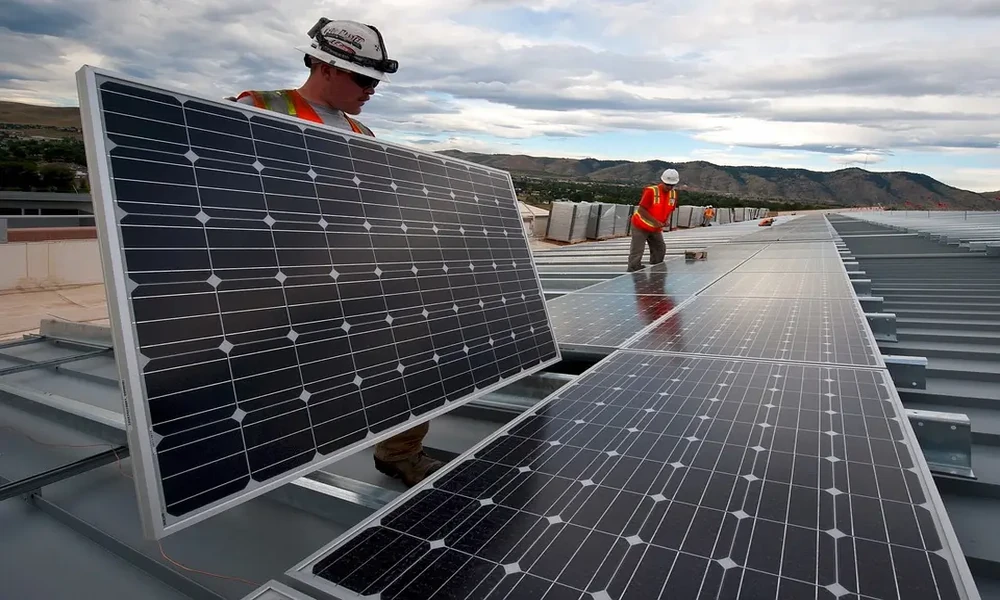
Rooftop solar has become a normal part of the skyline across sunny suburbs. Drive down almost any residential street and you will count arrays on every few houses. Most of those systems went up in the past decade, and many were bolted onto roofs that were already halfway through their working life.
That timing gap is now catching up with homeowners. Solar panels are built to produce power for 25 years or more. A typical asphalt shingle roof in a hot climate may only have 15 or 20 good years before it needs replacing. Underlayment beneath tile can give out on a similar schedule. When the roof wears out first, the panels have to come off before any real work can begin.
Yes, panels add a layer of planning, but they don’t make a new roof impossible or even unusual. Removing and resetting an array has become a routine part of nearly any Rancho Cucamonga roof replacement on a house that already produces its own power. What makes the difference is knowing how the process works and where things tend to go wrong.
Why Can’t the Roof Just Be Patched Around the Panels?
It is tempting to replace only the exposed sections and leave the array alone. In practice, that rarely works well. The areas under panels age differently from the rest, and the mounting points themselves are common leak sources. Each array is held down by dozens of attachments that pass through the roof covering into the rafters. If the shingles or underlayment around those points are tired, leaving them in place means sealing new roofing against old.
Warranties are the other issue. Most roofing manufacturers want the full system installed to their specifications. A partial job that dodges the panel area can leave you with a roof that is new in some places and unprotected in others.
How Does a Remove and Reset Actually Work?
The process follows a fairly predictable order, and understanding it helps you ask better questions.
First, a qualified technician shuts the system down safely and disconnects the wiring. Solar panels produce voltage whenever light hits them, so this is not a task for a general laborer.
Next, the panels and racking come off and get stored, usually somewhere on the property. Each panel should be handled carefully, since cracked glass or damaged connectors can reduce output for years.
Then the roofing crew does its work. Old layers are torn off, the deck is inspected and repaired, and new underlayment and roofing go on. This is the moment to plan new flashed mounts at each attachment point, so the array has proper waterproofing built in rather than added after the fact.
Finally, the racking and panels are reinstalled, rewired and tested. Many local jurisdictions require an inspection before the system is turned back on, and utilities sometimes need to confirm reconnection too.
The whole cycle often adds several days to a project. Costs vary by system size and roof type, but removal and reset can easily run into the thousands of dollars, so it belongs in your budget from the start rather than appearing as a surprise line item.
Who Should Handle the Panels?
This is where many projects get tangled. Some roofing companies offer solar removal and reset in house. Others work with a solar partner. Some leave it entirely to the homeowner to arrange.
If you own your system outright, you have more freedom to choose. If you lease it or have a power purchase agreement, check your contract before anyone touches it. The Federal Trade Commission recommends asking any solar company what happens if you need roof repairs after installation, because leased equipment often must be handled by approved technicians. Skipping that step can affect your agreement or the system’s warranty.
Coordination matters as much as skill. When the solar and roofing work are run by different companies, someone needs to own the schedule. Otherwise you can end up with panels stacked in the side yard for weeks while each side waits on the other.
Does the Roofing Material Change the Equation?
It does, in a few ways. Asphalt shingle roofs are the simplest to work with. Mounts can be flashed cleanly, and installers are familiar with the process.
Tile is more involved. Concrete and clay tiles break easily under foot traffic, and solar mounts on tile often require replacing tiles with special flashed versions or cutting tiles around hooks. When a tile roof is redone under an array, it helps to plan for extra spare tiles and to confirm that the mounting hardware works with the new underlayment.
Flat and low slope roofs use different racking altogether, often ballasted or attached through membranes. Here, the quality of the membrane flashing at each attachment determines whether the roof stays dry.
What If the Roof Is Aging but the Panels Aren’t On Yet?
If you are still deciding on solar, the order of operations is your biggest money saver. Installing panels on a roof with only a few good years left almost guarantees you will pay for removal and reset later. A roof inspection before signing a solar contract tells you how much life remains.
When the roof is close to the end, many homeowners choose to replace it first and add the array right after. Doing both within a short window lets the roof and solar share the same long future, and it keeps the attachments sealed into fresh materials from day one.
Planning Makes the Difference
Panels do add complexity to a new roof, but most of the headaches come from poor coordination rather than the work itself. A clear plan covers who disconnects the system, where the panels will be stored, how the new mounts will be flashed, and who handles inspection and reconnection. With those answers settled, the roof and the array can both get back to doing their jobs, and the next decade or two can pass without anyone needing to climb up there again.
