


Large indoor plants that thrive in low light are perfect for adding a touch of nature to spaces with minimal sunlight. Whether you’re looking to brighten up a dimly lit living room, office, or hallway, these plants can thrive with minimal maintenance. In this comprehensive guide, we’ll explore the best low-light indoor plants, their benefits, and how to care for them effectively.
Benefits of Large Indoor Plants in Low Light Areas
Bringing greenery indoors offers several advantages, even in low-light conditions:
- Air Purification: Plants like peace lilies and snake plants absorb toxins and release oxygen, improving indoor air quality.
- Enhanced Aesthetics: Large plants create a cozy, natural ambiance that enhances interior decor.
- Mental Well-being: Studies show that indoor plants reduce stress and boost productivity.
- Noise Reduction: Some large plants help absorb sound, making spaces quieter and more comfortable.
Understanding Low Light Conditions
Before choosing plants, it’s important to understand what qualifies as “low light.”
- What Is Low Light?
Low-light conditions typically refer to areas that receive indirect sunlight or artificial lighting, such as corners, hallways, or rooms with small windows. - Challenges of Low-Light Areas:
- Slow growth rates
- Increased risk of overwatering
- Potential for pest infestations due to high humidity
Best Large Indoor Plants for Low Light
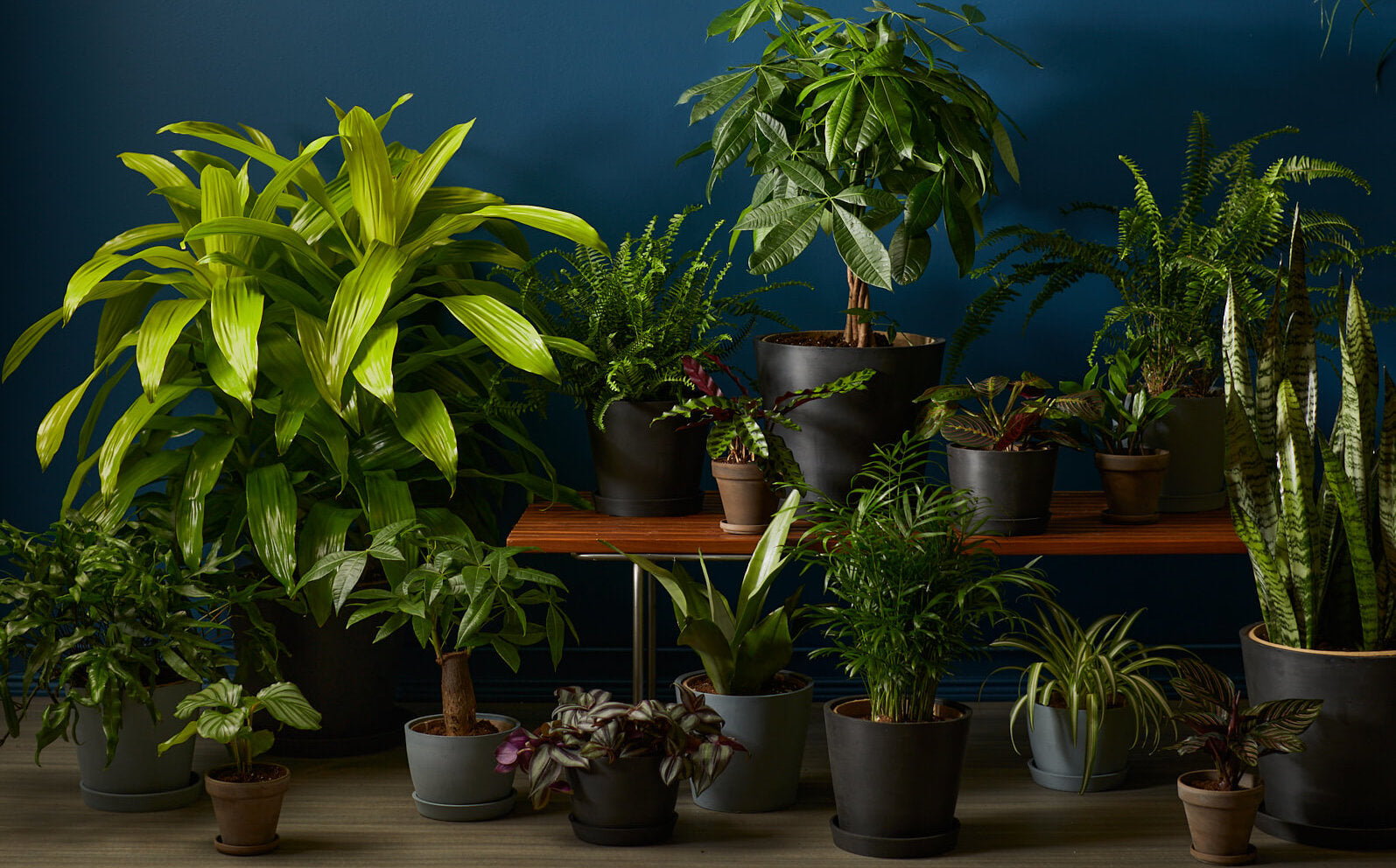
Here are some of the best large plants that can survive and thrive with minimal sunlight:
1. ZZ Plant (Zamioculcas zamiifolia)
- Tolerates low light and drought
- Low maintenance and durable
- Glossy, dark green leaves
2. Snake Plant (Sansevieria trifasciata)
- Thrives in indirect light
- Purifies air by absorbing toxins
- Minimal watering needs
3. Cast Iron Plant (Aspidistra elatior)
- Extremely hardy, tolerates neglect
- Slow-growing with lush green foliage
- Ideal for offices and dark rooms
4. Parlor Palm (Chamaedorea elegans)
- Adds a tropical touch to indoor spaces
- Requires minimal light and care
- Pet-friendly option
5. Dracaena (Dracaena spp.)
- Beautiful upright growth habit
- Adapts to low light conditions
- Removes harmful chemicals from the air
6. Peace Lily (Spathiphyllum)
- Produces elegant white flowers
- Thrives in shaded areas
- Helps maintain humidity indoors
7. Pothos (Epipremnum aureum)
- Fast-growing and easy to propagate
- Tolerates varying light conditions
- Requires occasional watering
Care Tips for Large Low-Light Indoor Plants
Maintaining healthy plants in low-light environments requires some special care techniques:
- Watering:
- Allow the soil to dry between watering to prevent root rot.
- Use a moisture meter for accuracy.
- Fertilizing:
- Use a balanced liquid fertilizer every 2–3 months.
- Avoid over-fertilization as it can damage plant roots.
- Humidity Management:
- Mist plants occasionally or place a tray of water nearby.
- Consider using a humidifier for tropical plants.
Choosing the Right Plant for Your Space
Consider the following factors when selecting the best large plant for your indoor area:
- Size and Growth Potential:
Ensure the plant fits your space and allows room for growth. - Maintenance Needs:
Some plants require frequent care, while others thrive with neglect. - Pet Safety:
If you have pets, choose non-toxic options like parlor palms.
Common Challenges and Solutions
- Overwatering:
- Solution: Reduce watering frequency and check drainage.
- Pests (e.g., spider mites, fungus gnats):
- Solution: Use neem oil spray and keep foliage clean.
- Slow Growth:
- Solution: Rotate the plant occasionally and feed it with nutrients.
Design Ideas with Large Indoor Plants
- Place large plants in corners to create a natural focal point.
- Use stylish planters to complement your home decor.
- Arrange multiple plants together for a lush jungle vibe.
Budget-Friendly Large Indoor Plants
Affordable options that don’t compromise on aesthetics include:
- Snake plants
- Pothos
- Cast iron plants
Maintenance Tools and Accessories
To keep your indoor plants healthy, invest in:
- Watering cans with long spouts
- Pruning shears for trimming dead leaves
- Humidity trays to maintain moisture
Common Myths About Low-Light Plants
- Myth: Plants Don’t Grow Without Sunlight
- Reality: Many plants adapt to low light by slowing growth.
- Myth: Watering More Helps Growth
- Reality: Overwatering can cause root rot.
FAQs About Large Indoor Plants in Low Light
1. Can large indoor plants survive in artificial light?
Yes, many plants, such as ZZ plants and snake plants, thrive under artificial lighting.
2. How often should I water low-light plants?
Watering once every 1–2 weeks is usually sufficient, depending on humidity levels.
3. What’s the best fertilizer for low-light indoor plants?
A balanced liquid houseplant fertilizer works well when used sparingly.
4. Do large indoor plants improve air quality?
Yes, they help filter toxins and release oxygen, improving indoor air quality.
5. Are there any low-light plants safe for pets?
Yes, parlor palms and cast iron plants are pet-friendly.
6. What’s the best way to prevent overwatering?
Always check soil moisture before watering and ensure proper drainage.
