

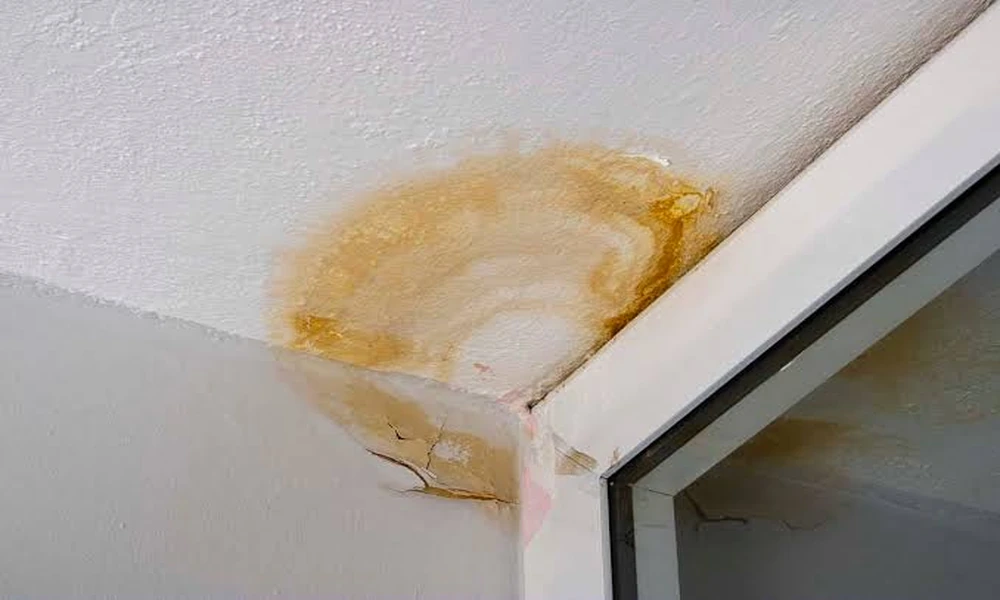
A hot attic can make upper rooms uncomfortable even when the air conditioner works properly. In humid climates, the same roof space may also collect moisture, develop musty odors, or expose structural wood to condensation. These conditions are easily mistaken for ordinary summer heat, but they can reveal problems with ventilation, insulation, and air sealing.
Roof drainage creates a different set of warning signs. Overflowing gutters, peeling siding, and stains near exterior walls may indicate that rainwater is escaping its intended path. During the intense thunderstorms common around Houston and other Texas communities, small drainage defects can expose vulnerable roof edges and wall assemblies to substantial moisture.
For homeowners dealing with these connected problems, Remedy Roofing offers Ventilation, Gutters, and Siding services across its Texas and Louisiana service areas. The company’s Roof Inspections can help determine whether symptoms originate in the roof covering, attic conditions, or exterior drainage components. Property owners can request a roof inspection through its website.
Reading the Warning Signs Before Choosing a Repair
A symptom is not the same as a diagnosis. Water may enter through damaged flashing and travel along framing before appearing indoors. Similarly, an overheated upstairs bedroom may reflect insufficient insulation rather than inadequate attic ventilation.
The following diagnosis map identifies common problems and the investigations needed before selecting a repair.
| Symptom | Likely cause | Fix path |
|---|---|---|
| Hot upstairs rooms | Heat transfer through the attic, insufficient insulation or air leakage | Evaluate insulation, air sealing and ventilation |
| Stained ceilings | Roof penetration leak, flashing defect or condensation | Trace moisture source and repair affected components |
| Curling shingles | Material aging, heat exposure or adhesion problems | Inspect shingle condition and roof ventilation |
| Overflowing gutters | Blockages, poor slope or inadequate drainage capacity | Clear, resecure or redesign drainage |
| Peeling siding near roofline | Water escaping gutter edges or faulty roof to wall flashing | Correct drainage and damaged wall components |
| Musty attic smell | Moisture accumulation, roof leakage or indoor air entering attic | Locate moisture source and restore drying conditions |
Hot Upstairs Rooms Can Reveal Attic Problems
Symptom: Upper floor bedrooms remain unusually warm during summer afternoons, particularly after prolonged sunshine.
Likely cause: Solar heat enters through the roof and warms the attic. Insufficient insulation, ceiling air leaks, poorly sealed ductwork, or restricted attic ventilation can increase heat transfer into living spaces.
Adding roof vents without examining these conditions may accomplish little. Powered attic fans can also create pressure problems if they pull conditioned indoor air through gaps in the ceiling.
Fix path:
- Inspect attic insulation depth, coverage, and areas around ceiling penetrations.
- Check whether soffit intake vents are blocked and whether exhaust openings are properly positioned.
- Seal ceiling air leaks and correct insulation or duct defects before considering ventilation modifications.
Repair or larger project: Clearing blocked vents or repairing localized duct leakage may be manageable improvements. Extensive insulation deficiencies or poorly designed ventilation systems require coordinated upgrades rather than isolated vent additions.
Ceiling Stains May Start at Flashing or Attic Moisture
Symptom: Brown ceiling marks, bubbling paint, or damp drywall appear after storms or during prolonged humid weather.
Likely cause: Damaged pipe flashing, roof valleys, loose fasteners, or deteriorated underlayment may admit rainfall. However, condensation from humid indoor air entering cooler building cavities can produce similar damage.
The University of Minnesota Extension’s guidance on controlling household moisture emphasizes identifying and reducing moisture sources, including air leakage into attics and walls.
Fix path:
- Compare the timing of stains with rainfall, cooling operation, and changes in indoor humidity.
- Inspect flashing, roof penetrations, decking, and nearby attic surfaces.
- Repair the actual source before replacing stained drywall or repainting ceilings.
Repair or larger project: Isolated flashing defects generally support targeted repairs. Widespread wet insulation, deteriorated decking, or repeated leakage may require substantial roofing and interior restoration.
Curling Shingles Can Indicate Surface Deterioration
Symptom: Shingle corners lift, edges curl, or sections appear uneven across the roof.
Likely cause: Repeated heating, aging asphalt, weakened adhesive bonds, and installation defects can contribute to deformation. Poor attic conditions may increase roof temperatures, but curling alone does not establish a ventilation failure.
Texas roofs experience intense summer sunshine, while storms can exploit shingle edges that no longer remain securely sealed.
Fix path:
- Assess whether curling is concentrated in one area or distributed across several slopes.
- Examine adhesive bonds, fastener placement, granule loss, and underlying roof conditions.
- Repair isolated damage where surrounding materials remain serviceable.
Repair or larger project: A small number of damaged shingles may be replaceable. Extensive curling combined with brittle materials or repeated wind damage indicates a broader roofing problem that deserves evaluation.
Overflowing Gutters Direct Water Toward Vulnerable Edges
Symptom: Water spills over gutters during heavy rain, downspouts discharge poorly, or soil erosion appears beneath roof edges.
Likely cause: Leaves, sediment, loose gutter hangers, incorrect slope, and insufficient outlet capacity can prevent rainwater from reaching downspouts. In Greater Houston and Lake Charles, intense rainfall can quickly expose restrictions that remain unnoticed during lighter showers.
Overflow does not always mean a gutter is undersized. A partially blocked outlet can produce similar symptoms.
Fix path:
- Inspect gutters and downspouts for trapped debris and disconnected sections.
- Check gutter slope, attachment, outlet placement, and discharge direction.
- Correct drainage capacity or routing where existing components cannot handle the contributing roof area.
The Penn State Extension’s roof runoff guidance describes how gutters, downspouts, and outlets direct rainfall toward controlled discharge locations, reducing unwanted water accumulation.
Repair or larger project: Clearing debris or correcting loose supports may resolve isolated overflow. Recurring problems caused by poorly designed drainage can justify replacing or reconfiguring the gutter system.
Peeling Siding Can Signal Water Behind the Exterior Wall
Symptom: Paint bubbles, siding edges swell, or stains develop beneath roof intersections and gutters.
Likely cause: Overflowing gutters, missing kickout flashing, defective roof to wall transitions, or gaps around exterior penetrations may allow water behind siding.
Moisture trapped within wall cavities can damage sheathing and framing before severe deterioration becomes visible outdoors. Humid weather may slow drying, especially where wall materials remain repeatedly wet.
Fix path:
- Trace drainage from the roof intersection to the damaged exterior section.
- Examine kickout flashing, step flashing, siding clearances, and nearby gutter connections.
- Open affected sections when necessary to determine whether concealed materials have deteriorated.
Repair or larger project: Replacing a defective flashing component and repairing limited siding damage may be sufficient. Widespread sheathing deterioration or repeated infiltration requires more extensive exterior restoration.
Musty Attic Odors Require Moisture Investigation
Symptom: An attic smells damp, insulation feels wet, or dark staining develops on roof sheathing.
Likely cause: Roof leaks, leaking ducts, bathroom exhaust discharged into the attic, and air leakage from living spaces can introduce moisture. Restricted drying conditions allow humidity to remain elevated.
Adding ventilation without locating the moisture source may leave the underlying problem unresolved.
Fix path:
- Inspect roof penetrations, decking, exhaust ducts, and ventilation openings.
- Identify whether moisture appears after rainfall or during specific indoor conditions.
- Correct leaks and air leakage, then assess insulation and structural materials for damage.
Repair or larger project: Minor duct or flashing defects may be corrected individually. Persistent wet sheathing, substantial insulation damage, or extensive microbial growth may require specialized remediation alongside roofing repairs.
Choosing the Correct Scope of Work
A reliable diagnosis begins by connecting symptoms instead of treating each visible defect separately.
- Localized repair: Appropriate when a single flashing joint, gutter blockage, or small damaged area explains the symptoms.
- System correction: Necessary when ventilation, insulation, air sealing, and drainage deficiencies contribute to the same problem.
- Larger restoration: Worth investigating when persistent moisture has damaged decking, exterior sheathing, insulation, or multiple roofing components.
A professional evaluation should establish the source of water or heat transfer before recommending work. Correcting symptoms without addressing their causes often allows the same damage to return.
Conclusion
Roof problems are not always confined to the roof covering. Excess attic heat may reflect insulation and airflow deficiencies, while overflowing gutters can contribute to siding deterioration and hidden wall moisture. Ceiling stains and musty odors can arise from rainwater intrusion, condensation, or both.
For homes across Texas and southwest Louisiana, where hot summers and strong thunderstorms challenge roofing systems, accurate diagnosis helps prevent unnecessary repairs. Examining ventilation, drainage, flashing, and structural moisture together produces a clearer repair plan and better protects the building from recurring damage.
