

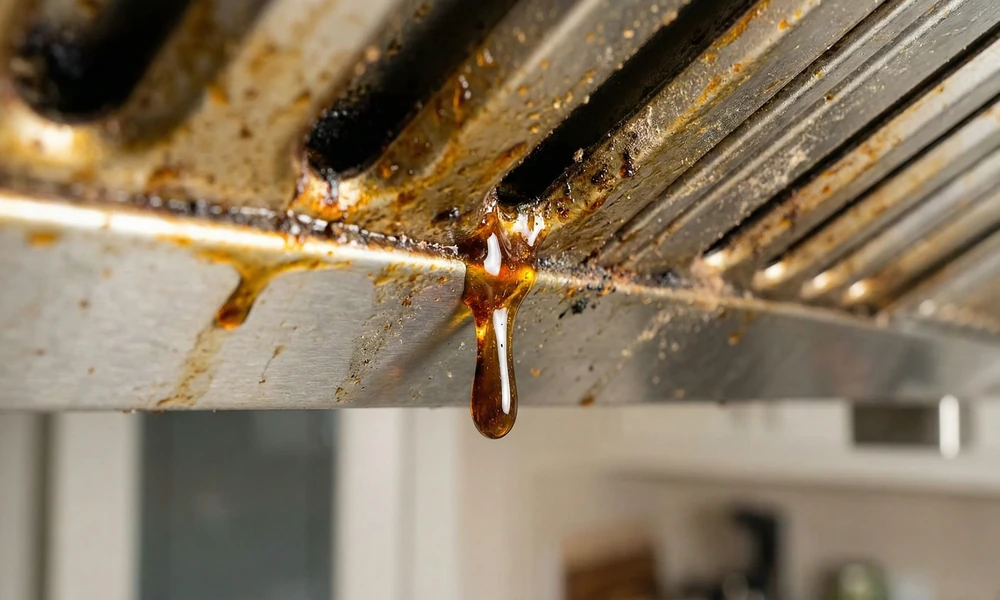
A building’s plumbing needs depend on how the building is used. A single-family house uses water in short bursts, mostly in the morning and evening. Its drains carry hair, soap, toilet paper and whatever slips past the kitchen strainer. A café on the same street may run sinks, a dishwasher and a mop basin for ten hours straight, sending warm, greasy water into pipes that are sized and regulated differently. The pipes are made of the same materials, but they wear out in very different ways.
Age and occupancy add another layer. A house built decades ago may still have galvanized steel supply lines and cast iron drains that are thinning from the inside. A newer retail or office unit is more likely to have trouble with volume, backflow protection and the number of people using its restrooms. Gas piping splits the same way. A house might feed a furnace, a water heater and a range, while a commercial kitchen can run fryers, a griddle, a six-burner range and a rooftop unit from one system. Once you know which category a property falls into, you can predict where the trouble will start.
For owners across the White Mountains, ABS Plumbing Co works on both kinds of property from its shop in Pinetop-Lakeside. Its licensed plumbers handle residential plumbing, from leak repairs and fixture installs to full repiping. They also provide commercial plumbing service built around keeping businesses open, and they install, repair and replace gas piping to code. Drain cleaning is available for slow or blocked lines in any building type. If your property shows any of the warning signs described below, call (928) 368-5696 or request a service visit through the company’s online form.
The Four Property Types Side by Side
| Property type | Most common plumbing demands | Typical trouble spots | Maintenance focus |
|---|---|---|---|
| Single-family home | Short peak use, one water heater, a few bathrooms and a kitchen | Kitchen sink clogs, running toilets, water heater sediment, frozen hose bibs | Grease disposal habits, yearly water heater flush, working shutoff valves |
| Older home | Household demand on aging pipe and fittings | Corroded galvanized supply, low pressure, cracked cast iron, roots in clay sewer lines | Camera inspection of the main line, repipe planning, checks of buried gas lines |
| Small commercial space | Long daily run times, public restrooms, often food prep | Grease buildup, restroom clogs from misuse, overdue backflow tests | Grease trap pumping, scheduled drain jetting, backflow testing |
| Larger commercial building | High fixture counts, multiple floors, heavy gas loads | Pressure imbalance, blocked stacks, strained water heaters, leaks at many gas joints | Written maintenance schedules, leak surveys, documented inspections |
Single-Family Homes
Most problems in a typical house come from daily habits rather than system design. Supply lines usually hold up well. The weak points are the water heater, which collects sediment and loses efficiency, and exposed pipes and hose bibs, which can split during a hard freeze in high-country winters. If a house has good water pressure and working shutoff valves under every sink and toilet, small leaks stay small.
Drains are where most homeowners notice trouble. Cooking fat poured down a kitchen sink cools, hardens and narrows the line, and the damage goes beyond the house. In its 2004 report to Congress on sewer overflows, the EPA identified grease from homes, restaurants and industry as the most common cause of reported sewer blockages, at 47 percent. A home sends far less grease down the drain each day than a restaurant does. Unlike a restaurant, though, it has no interceptor to catch any of it.
Gas service in a home is usually simple. The common risk points are flexible appliance connectors that get kinked or reused when a range is moved, and any added lines that run to a fireplace insert, grill or shop heater.
Older Homes
An older home has the same household demand as a newer one, but its pipes are much less forgiving. Galvanized steel corrodes inward, so pressure drops gradually, and rust can tint the water. An older house and a busy commercial building can both lose pressure, but for opposite reasons. In the house, the pipe itself has narrowed. In the commercial building, too many fixtures are drawing water at once.
Drains in older homes tend to fail underground. Cast iron cracks along the bottom of the pipe, and clay sewer laterals let tree roots in at every joint. A sewer camera inspection usually costs less than digging up a yard to look, and it shows whether a spot repair or a full replacement makes sense.
Buried gas lines need extra attention on older properties, especially lines running to detached garages or outbuildings. Under the federal pipeline rule at 49 CFR 192.16, a gas operator that does not maintain the customer’s buried piping past the meter has to notify the customer in writing. The notice must say that the piping can corrode and leak and should be inspected periodically. On a house that has changed owners several times, that notice may have been forgotten decades ago.
Small Commercial Spaces
A small shop, office or café has fewer fixtures than a large building, but it uses them far more heavily than a home does. Restrooms open to the public get wipes, paper towels and other items that a family would never flush. If there is any food preparation, grease becomes the main concern. The International Code Council notes that the International Plumbing Code calls for grease interceptors wherever grease-laden waste is produced, such as restaurant and hospital kitchens. Individual homes have no such requirement. An interceptor only works if it is pumped on schedule. A neglected trap can push grease further down the line, where it is harder to clear.
Supply demands are steadier in a small commercial space than in a home. The water heater may never get a chance to recover, and backflow devices that protect the public water supply need regular testing. Commercial cooking equipment adds more gas connections, quick-disconnect fittings and shutoffs, and each one is a place a leak can start.
Larger Commercial Buildings
As buildings get larger, the problems become problems of scale. A multi-story building has to keep water pressure balanced from the ground floor to the top floor, which often requires booster pumps and pressure-reducing valves that need regular checks. A blockage in a shared drain stack can back up fixtures on several floors at once. A leaking joint in a house affects one family. A failed fitting in a three-story building can shut down a whole floor of tenants.
Gas systems in these buildings run larger pipe, serve more appliances and often include regulators that step down pressure for different zones. Because there are so many joints, a documented leak survey matters more here than it would in a home, and the records help when inspectors or insurers ask for them.
Matching Maintenance to the Building
Your property type tells you where to focus maintenance. For a household, that means grease habits and water heater care. For an older home, it means inspecting the hidden pipe before it fails. Small businesses need interceptor schedules and backflow tests, and larger buildings need records and routine checks on systems people rarely see. Anyone planning a build can avoid many of these problems by designing the plumbing for the building’s actual use from the start. That topic needs its own article.
Whatever the building, treat any smell of gas the same way. Leave the space without flipping switches, call the gas utility from outside, and have the piping checked by a qualified plumber before anyone relights the appliances.
