

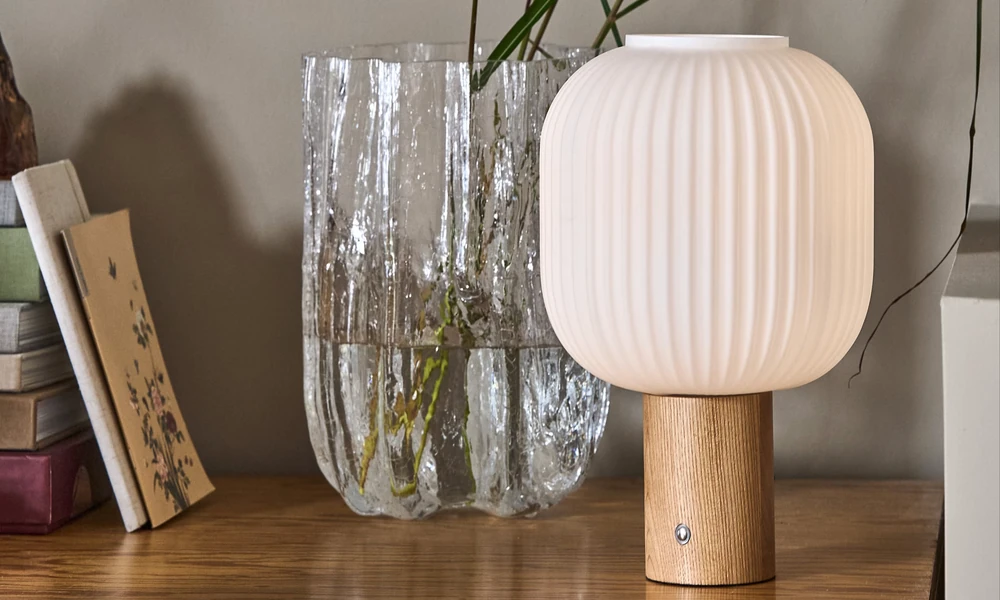
What Defines Scandinavian Lighting Design
Scandinavian lighting design is defined by principles that emerged from necessity and became philosophy: how to make artificial light feel warm, human, and genuinely comfortable in cultures where the outdoor light environment is dark and cold for much of the year. The result is a design tradition with deeply consistent values – simplicity of form, natural materials, functional elegance, and a specific understanding of light quality that emphasizes warmth and diffusion over brightness and contrast.
The principles translate effectively across residential contexts regardless of geographic location. The Scandinavian insight that good artificial light should not announce itself as artificial – that it should create an environment rather than illuminate a room – applies universally. Fixtures that diffuse light broadly, that operate in warm color temperatures, and that have forms simple enough not to compete with what they illuminate reflect this understanding regardless of where they were designed.
Scandinavian light fixtures in the current market draw from this tradition with varying fidelity. The best examples maintain the material honesty – natural oak, brushed brass, hand-blown glass, woven fiber – and the light quality commitment that define the tradition. Others adopt the visual vocabulary without the underlying principles.
Key Design Characteristics
Scandinavian pendant fixtures typically prioritize a specific visual relationship: the shade conceals the light source from direct view while allowing warm light to spread broadly below and around the fixture. This prevents glare – the harsh direct-view exposure of a bare bulb – while maintaining the omnidirectional distribution that creates the enveloping quality the aesthetic is known for.
Material authenticity is a consistent characteristic of Scandinavian design that affects how fixtures age over time. Oak and walnut that develop patina, brass that mellows, glass that gains character from use – these materials become more interesting over time rather than deteriorating. Plastic and imitation materials that replicate the visual appearance without the material qualities degrade rather than age, which distinguishes genuine from imitation Scandinavian design at the price points where the difference is most apparent.
Energy Star efficiency standards apply to Scandinavian-styled fixtures as to any other – confirming that the LED components used in the fixture produce the claimed light output at the claimed color temperature. Scandinavian design’s emphasis on warm light (2700K) is well-served by current LED technology that can produce this temperature efficiently.
Integration with Non-Scandinavian Interiors
Scandinavian fixtures integrate more naturally with other design aesthetics than more stylistically pronounced fixture types. Their restraint – the simplicity of form that defines the tradition – means they do not compete with surrounding elements for visual attention in the way that decorative chandeliers or industrial-style fixtures often do. A clean-lined pendant with a natural material composition coordinates with traditional, contemporary, transitional, and eclectic interiors without requiring the surrounding room to match a specific aesthetic.
The most successful integration of Scandinavian fixtures into non-Scandinavian interiors uses the fixture as a warm, unassuming element that supports the room’s character rather than defining it. The fixture does its job – providing quality light in an appropriate form – and steps back. This supporting role is exactly what Scandinavian design philosophy intends, and it produces good results across a wide range of room contexts.
